
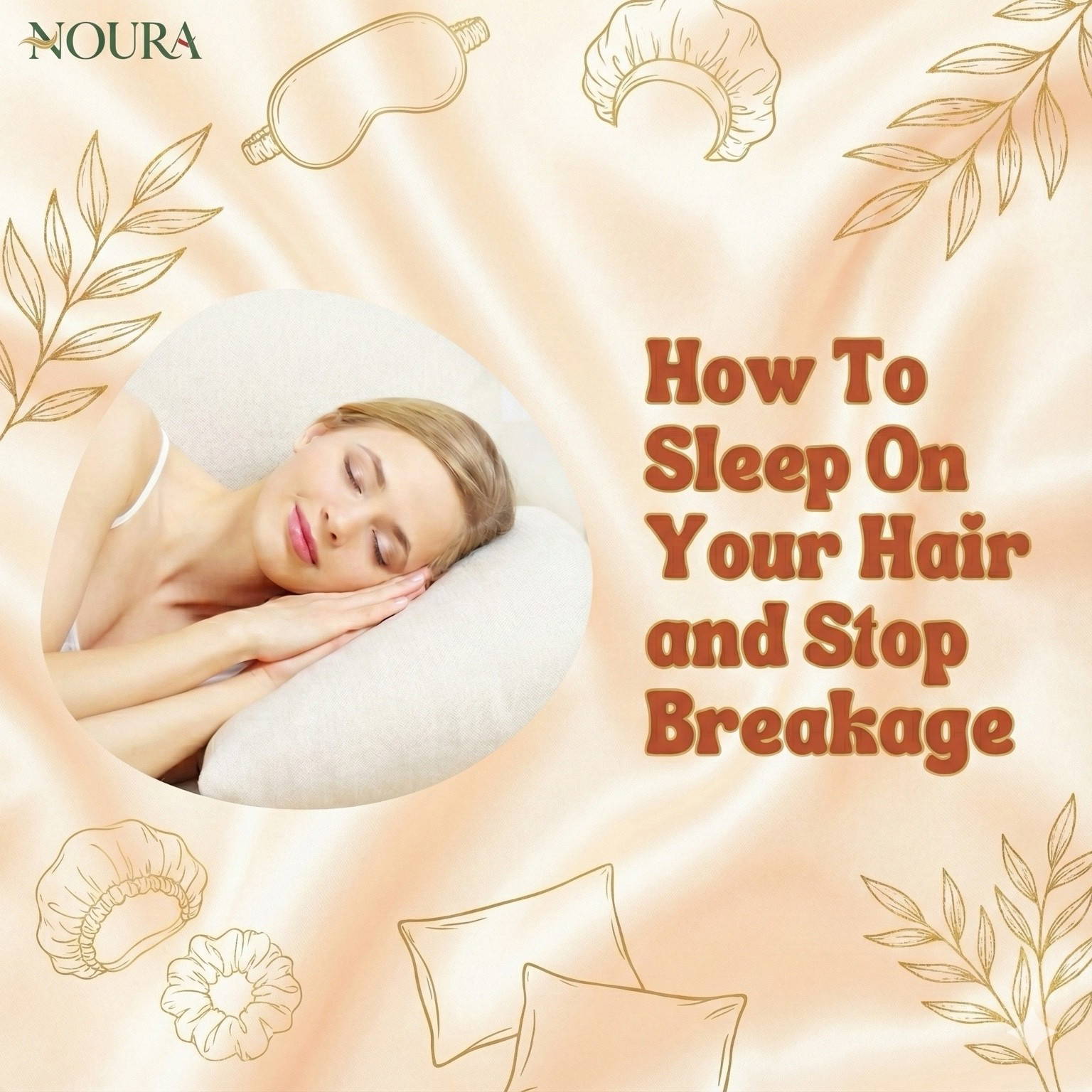
Hair care doesn’t stop when your day ends. In fact, the way you sleep plays a major role in your hair’s health, strength, and appearance. Many people invest in good shampoos, masks, and oils, but unknowingly damage their hair every night due to poor sleeping habits. Hair breakage, frizz, split ends, and excessive hair fall are often the result of friction, dryness, and tension while sleeping.
If you wake up with tangled, rough, or broken hair, it’s time to rethink your nighttime routine. Let’s explore how you can sleep the right way to protect your hair and prevent breakage.
While you sleep, your hair constantly rubs against pillows and bedding. Cotton pillowcases, in particular, absorb moisture from your hair and create friction. This leads to dryness, tangles, and weakened hair strands. Tossing and turning adds even more stress, causing hair to snap or split over time.
Sleeping with loose, dry, or untreated hair also increases the chances of breakage. Nighttime is when your hair needs protection the most.
Choose the Right Pillowcase
One of the easiest ways to prevent hair breakage is switching your pillowcase. Satin or silk pillowcases are far gentler on hair compared to cotton. They reduce friction, help hair retain moisture, and prevent knots and frizz.
If you have curly, wavy, or chemically treated hair, satin or silk pillowcases can make a noticeable difference in hair texture and shine over time.
Never Sleep with Wet Hair
Sleeping with wet hair is one of the biggest haircare mistakes. Wet hair is weaker and more elastic, making it prone to stretching and breaking. When you lie down with damp hair, it rubs against the pillow and breaks easily.
Always allow your hair to air dry or gently dry it before going to bed. If you must sleep with slightly damp hair, keep it loosely tied and protected with a soft fabric.
Oil or Serum Before Bed
Applying a light hair oil or serum before sleeping helps lock in moisture and reduce friction. Oils like argan oil, coconut oil, or lightweight hair serums nourish hair overnight and prevent dryness.
Avoid applying heavy amounts. A few drops focused on mid-lengths and ends are enough to keep hair soft and manageable by morning.
Opt for Protective Hairstyles
Leaving hair completely loose while sleeping can lead to tangles and breakage. Instead, choose gentle protective hairstyles such as:
Avoid tight hairstyles or elastic bands that pull on the roots. The goal is to keep hair secure without tension.
Use a Silk or Satin Hair Cover
If you don’t have a satin pillowcase, using a silk or satin bonnet or scarf is a great alternative. It creates a smooth barrier between your hair and the pillow, minimizing friction and moisture loss.
Hair covers are especially beneficial for people with long, curly, or textured hair, as they help maintain hair shape and reduce breakage.
Detangle Before Sleeping
Never go to bed with tangled hair. Gently detangle your hair using a wide-tooth comb or a soft brush before sleeping. This prevents knots from becoming worse overnight and reduces breakage while tossing in bed.
Start detangling from the ends and work your way up to avoid unnecessary pulling.
Sleep Position Matters
Your sleeping position can also affect your hair. Sleeping on one side every night may cause friction damage to the same section of hair repeatedly. While it’s hard to control movement during sleep, using smooth fabrics and protective styles can help minimize damage regardless of position.
Just like skincare, hair care works best with consistency. A simple nighttime routine—detangle, apply light oil or serum, choose a protective style, and use the right pillowcase—can significantly improve hair strength over time.
Healthy hair doesn’t happen overnight, but small changes in your sleeping habits can lead to stronger, shinier, and less breakage-prone hair.
Hair breakage is not always caused by products or genetics—often, it’s your nighttime routine that needs attention. By sleeping smart and protecting your hair while you rest, you allow it to repair, retain moisture, and grow healthier.
Remember, beauty sleep is real—not just for your skin, but for your hair too. 🌙✨
Don'/t have an account Sign up
Comments