
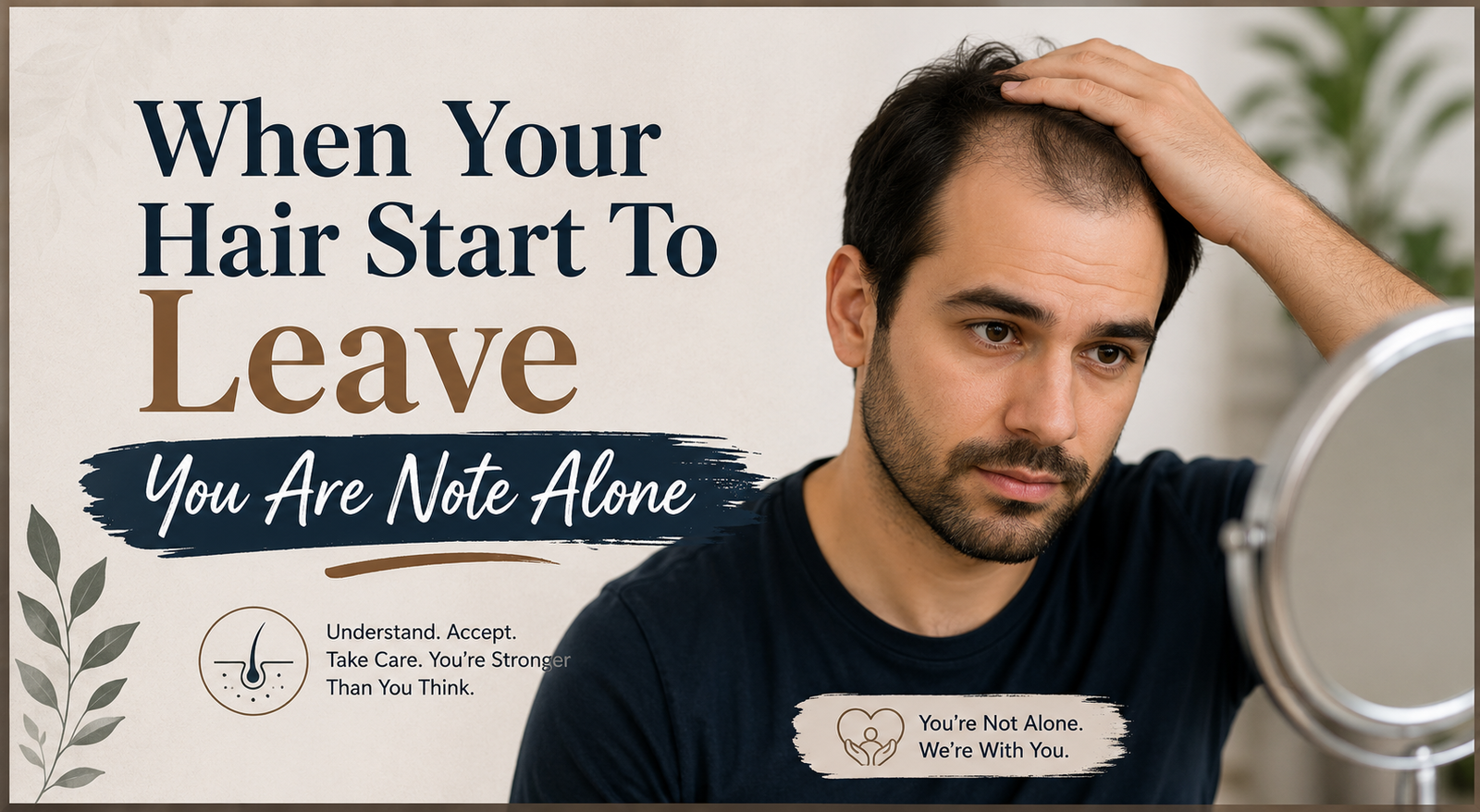
Running your fingers through your hair only to find more strands than usual on your palm can be unsettling. Whether it happens gradually over the years or suddenly after a stressful life event, hair loss is one of the most emotionally charged health concerns people face — regardless of gender, age, or background.
The good news? Hair loss is rarely permanent, and modern science, along with time-tested natural remedies, offers more effective solutions today than ever before.
This guide is your complete, judgment-free resource on understanding hair loss and regrowth — from root causes to real treatments. Let's start from the scalp up.
________________________________________
What Is Hair Loss? Understanding the Basics
Before diving into solutions, it helps to understand what "hair loss" actually means biologically. The average person naturally sheds between 50 to 100 strands per day — that's completely normal. When shedding continuously exceeds regeneration, resulting in noticeable thinning, bald patches, or a receding hairline, this is cause for concern.
Hair grows in three cycles:
• Anagen (Growth Phase): Lasts 2–7 years; this is when the hair actively grows.
• Catagen (Transition Phase): A short 2–3 week window where growth slows and the follicle shrinks.
• Telogen (Resting Phase): Lasts about 3 months, after which the hair falls out and the cycle restarts.
Hair loss occurs when this cycle is disrupted — whether the growth phase shortens, more follicles enter the resting phase simultaneously, or follicles stop producing new hair altogether.
________________________________________
Typical Reasons for Hair Loss in Both Men and Women
Hair loss doesn't have a single cause. Pinpointing why it's happening is the first and most critical step toward effective regrowth.
1. Genetics (Androgenetic Alopecia)
The most prevalent type of hair loss worldwide is androgenetic alopecia — commonly called male-pattern baldness or female-pattern hair loss. It's driven by genetics and the hormone DHT (dihydrotestosterone), a derivative of testosterone that shrinks hair follicles over time.
• In men, it typically starts with a receding hairline or thinning at the crown.
• In women, it often shows as diffuse thinning across the top of the scalp rather than complete baldness.
2. Hormonal Changes
Hormones have a significant impact on the health of hair. Significant hormonal shifts — such as those during pregnancy, postpartum recovery, menopause, thyroid disorders, or PCOS (polycystic ovary syndrome) — can trigger sudden or prolonged hair shedding.
3. Nutritional Deficiencies
One of your body's most nutrient-demanding cells is your hair follicle. Iron, zinc, biotin (Vitamin B7), vitamin D, and protein deficiencies in particular can prevent healthy hair development and increase shedding.
4. Chronic Stress and Telogen Effluvium
Severe emotional or physical stress can push a large number of hair follicles into the telogen (resting) phase simultaneously, resulting in significant shedding 2–3 months later. This condition is called telogen effluvium, and while alarming, it is largely reversible once the triggering stressor is resolved.
5. Scalp Conditions
An unhealthy scalp is a poor foundation for hair growth. Conditions like dandruff (seborrheic dermatitis), fungal infections (tinea capitis), scalp psoriasis, and clogged follicles can all obstruct the hair growth cycle.
6. Medications and Medical Treatments
Certain medications — including chemotherapy drugs, blood thinners, antidepressants, and beta-blockers — are known to cause hair loss as a side effect. This type of hair loss is often temporary and may resolve after the medication is adjusted or discontinued.
7. Hairstyling Damage and Traction Alopecia
Repeatedly wearing tight hairstyles such as braids, ponytails, or extensions applies persistent tension on the hair follicles, leading to a condition called traction alopecia. Over time, if left unaddressed, this tension can cause permanent follicle damage along the hairline.
________________________________________
Types of Hair Loss You Should Know
Not all hair loss is the same. Identifying the type helps determine the most effective course of action:
Type Deion Common in
Type Deion Common in
Androgenetic Alopecia Genetic, hormone-driven thinning Men & Women
Telogen Effluvium Stress/shock-triggered mass shedding All genders
Alopecia Areata Autoimmune, causes patchy bald spots All genders
Traction Alopecia Caused by tight hairstyles Women, Athletes
Scarring Alopecia Follicle destruction with no regrowth Rare, All genders
Anagen Effluvium Chemotherapy-related rapid hair loss All genders
________________________________________
Proven Hair Regrowth Treatments That Actually Work
Now to the part you're here for — what can actually help hair grow back?
1. Minoxidil (Topical Solution or Foam)
Minoxidil is one of the few FDA-approved treatments for hair loss, available over the counter. It works by widening blood vessels in the scalp, improving blood flow to hair follicles, and extending the anagen (growth) phase.
• Available in 2% and 5% concentrations
• Effective for both men and women
• Results typically visible after 3–6 months of consistent use
• Must be used long-term; stopping it can reverse results
2. Finasteride (Oral Medication)
Approved for men, finasteride is a preion medication that blocks the conversion of testosterone to DHT — the hormone responsible for follicle shrinkage in androgenetic alopecia. Clinical studies show it can halt further hair loss and stimulate regrowth in a significant proportion of users.
Women of childbearing age are generally advised against using this medication.
3. Platelet-Rich Plasma (PRP) Therapy
A tiny amount of the patient's own blood is drawn for PRP, the platelets are concentrated, and the plasma is injected into the scalp. Growth factors found in platelets stimulate dormant follicles and hasten their regeneration. As a minimally invasive in-clinic procedure, it is becoming more and more popular.
4. Low-Level Laser Therapy (LLLT)
FDA-cleared laser caps, combs, and helmets use low-level red light to energize hair follicle cells and boost circulation in the scalp. While results are moderate, LLLT is a non-invasive option worth exploring, particularly when combined with other treatments.
5. Hair Transplant Surgery
For those with significant, long-term hair loss, hair transplant procedures — such as FUE (Follicular Unit Extraction) and FUT (Follicular Unit Transplantation) — offer a more permanent solution. Healthy follicles are surgically moved from donor areas (usually the back of the scalp) to thinning zones. Results are natural-looking and long-lasting when performed by an experienced surgeon.
________________________________________
Natural & Home Remedies for Hair Regrowth
If you prefer a more holistic approach or want to complement clinical treatments, several natural remedies show promising evidence for supporting hair regrowth:
Rosemary Oil
A landmark 2015 study published in the journal SKINmed found that rosemary oil performed comparably to 2% minoxidil in stimulating hair growth after 6 months of use. Dilute a few drops in a carrier oil (like jojoba or coconut oil) and massage into the scalp 2–3 times per week.
Scalp Massage
Regular scalp massage — even just 4 minutes a day — has been shown to improve hair thickness by stretching follicle cells and boosting blood circulation. Use your fingertips in small circular motions across the entire scalp.
Onion Juice
Rich in sulfur, onion juice has shown antibacterial properties and the ability to support follicle health. While the smell is challenging, studies suggest it can help with patchy hair loss when applied consistently.
Aloe Vera
Aloe vera calms scalp inflammation, unclogs follicles, and creates a moisture-rich environment for healthy hair growth. Apply fresh aloe vera gel directly to the scalp and leave it on for 30–60 minutes before washing.
Pumpkin Seed Oil
Emerging research suggests pumpkin seed oil may help block DHT activity when taken as an oral supplement, making it a natural adjunct for those dealing with androgenetic alopecia.
________________________________________
Hair-Boosting Nutrients: What to Eat for Stronger Hair
Diet is your scalp's daily fuel. These are the key nutrients to prioritize for hair regrowth:
• Protein: Hair is made of keratin, a type of protein. Include eggs, legumes, fish, and lean meats daily.
• Iron: Found in spinach, lentils, red meat, and fortified cereals. Iron deficiency is one of the top reversible causes of hair loss.
• Biotin (Vitamin B7): Found in eggs, almonds, and sweet potatoes. Supports keratin structure.
• Vitamin D: Low levels are linked to alopecia areata. Sun exposure and fatty fish are good sources.
• Zinc: Essential for hair tissue repair and oil gland function. Found in pumpkin seeds, beef, and chickpeas.
• Omega-3 Fatty Acids: Found in salmon, walnuts, and flaxseeds — support scalp hydration and reduce inflammation.
________________________________________
Daily Hair Care Habits That Prevent Further Loss
Preventing additional damage while promoting regrowth is a two-pronged strategy. Here are habits that make a meaningful difference:
✅ Be Gentle With Wet Hair
Wet hair is at its most vulnerable. Avoid vigorous towel-rubbing; instead, gently pat or wrap your hair and let it air-dry when possible.
✅ Use a Wide-Tooth Comb
Detangle from the ends upward using a wide-tooth comb rather than a brush, minimizing breakage and mechanical stress on the follicle.
✅ Avoid Excessive Heat Styling
Frequent use of flat irons, curling wands, and high-heat blow-dryers weakens the hair shaft over time. If you must use heat, always apply a heat protectant spray and use the lowest effective temperature setting.
✅ Choose a Sulfate-Free Shampoo
Sulfates — the harsh cleansing agents in many mainstream shampoos — can strip the scalp of its natural oils, causing dryness and irritation that exacerbates hair loss. Opt for sulfate-free, scalp-friendly formulas.
✅ Wash Regularly but Not Excessively
Keeping the scalp clean removes excess oil, product buildup, and debris that can block follicles. Most people do well washing every 2–3 days, but this varies by hair type and scalp condition.
✅ Manage Stress Proactively
Because stress is a major driver of hair loss, investing in stress management techniques — whether yoga, meditation, exercise, journaling, or therapy — is genuinely one of the best things you can do for your hair.
________________________________________
When Should You See a Dermatologist?
While many cases of hair loss are manageable with lifestyle changes and over-the-counter treatments, certain signs warrant a visit to a board-certified dermatologist or trichologist:
• Sudden, rapid, or patchy hair loss
• Bald spots accompanied by itching, burning, or scaling
• Hair loss following a major illness, surgery, or significant weight change
• No improvement after 6 months of consistent self-care
• Symptoms of hormonal imbalance (irregular periods, unexplained weight gain, fatigue)
A professional can perform a scalp analysis, blood panel, and trichoscopy to accurately diagnose the cause and recommend a personalized treatment plan.
________________________________________
Hair Regrowth Timeline: What to Realistically Expect
Patience is non-negotiable when it comes to hair regrowth. Here's a general timeline for most people:
Timeframe What Typically Happens
Consistency is everything. Skipping treatments or switching approaches too quickly is one of the most common reasons people don't see results.
________________________________________
Conclusion: Your Hair Regrowth Journey Starts Today
Hair loss can feel deeply personal — but it doesn't have to be permanent. Whether you choose clinically proven medications, explore natural remedies, rethink your nutrition, or build a gentler daily hair care routine, progress is entirely possible with the right knowledge and consistency.
The most important first step is to stop panicking and start understanding. Identify your likely cause, choose an approach that fits your lifestyle and budget, give it time, and don't hesitate to seek professional guidance when needed.
Your hair has grown before. With the right environment and care, it can absolutely grow again.
________________________________________
Frequently Asked Questions (FAQs)
Q1: Can hair loss be completely reversed?
In many cases, yes — especially when it's caused by stress, nutritional deficiency, hormonal shifts, or scalp conditions. Genetic hair loss (androgenetic alopecia) can be managed and slowed, but permanent reversal may require sustained treatment or procedures like hair transplants.
Q2: How long does it take for hair to grow back?
Hair typically grows about half an inch per month. After addressing the root cause of hair loss, visible regrowth usually begins within 3–6 months, with significant improvement seen by 12 months.
Q3: Is hair loss caused by washing hair too often?
No. Washing your hair does not cause hair loss. You may notice more shedding in the shower, but those are hairs that were already in the telogen phase. Over-washing can cause dryness and irritation, but it does not directly pull healthy hairs from active follicles.
Q4: Does wearing a hat cause hair loss?
Casual, everyday hat use does not cause hair loss. However, extremely tight hats worn consistently over time could contribute to traction alopecia in rare cases.
Q5: Which vitamin deficiency causes hair loss the most?
Iron deficiency is among the most common nutritional triggers of hair loss, especially in women. Deficiencies in Vitamin D, biotin, and zinc are also frequently linked to increased shedding.
________________________________________
Disclaimer: This blog is intended for informational purposes only and does not constitute medical advice. Always consult a qualified healthcare professional before beginning any treatment for hair loss.
Don'/t have an account Sign up
Comments